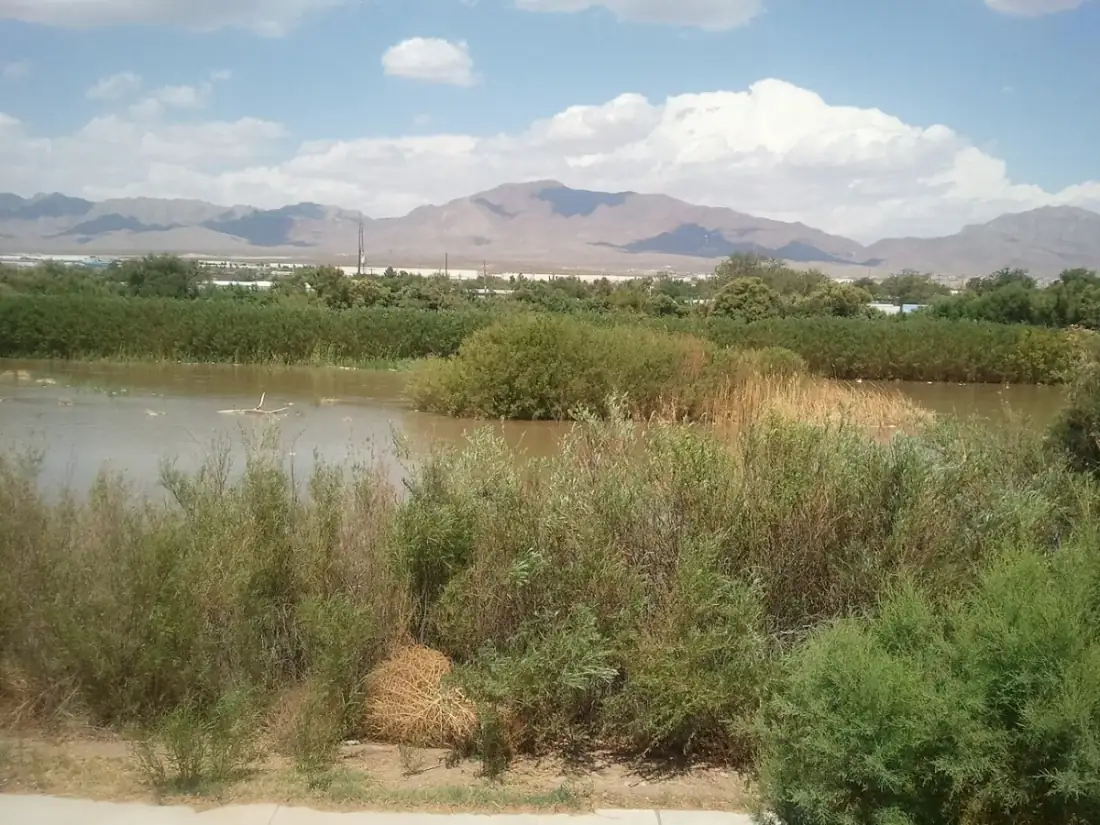
Water wells in Canutillo are shallow valley wells, and that single fact drives the cost, the construction and the risks. Canutillo sits in the Upper Valley on the west side of the Franklin Mountains, on Rio Grande alluvium, over the Mesilla Bolson. Wells here generally finish in sand and gravel rather than in the deep basin fill that mesa properties on the other side of the mountains have to drill through.
There is unusually good data to work from. Of the 517 State of Texas Well Reports filed for El Paso County, the two ZIP codes holding the most are 79922 and 79932, together accounting for 178 of them, and both sit on this west side river corridor. For a Canutillo property that means the question is not what the county average says but what the wells a few hundred yards away actually hit, and those records are public.
What Upper Valley geology means for your well
Alluvial wells are cheap to drill and unusually exposed to the surface. The Rio Grande has been laying down sand and gravel across this valley floor for a very long time, and that material both holds water and lets it move. Across the county the median static water level on filed reports is 15 feet below the land surface, and on valley lots that figure is often the low end rather than the average.
Water a few feet down means short travel times from whatever happens above it. That is why on an Upper Valley job the parts of the build nobody ever sees matter most: the grout seal filling the annulus from seal depth to surface, a cap that actually seals, and a wellhead set high enough that it is not sitting in standing water after a storm. On a deep mesa well those details are good practice. Here they are the whole defense.
Canutillo, Vinton, Westway and the river corridor
The same conditions run along this whole strip of northwest El Paso County, from the New Mexico line down through Canutillo, Vinton and Westway toward the west side of the city. It is farm and acreage country close to the river, with properties that sit outside or at the edge of utility service and have relied on private wells for generations. Older parcels frequently carry more than one well: a current domestic well and an irrigation or stock well nobody has touched in decades.
That second well is worth taking seriously. In Texas the landowner is responsible for plugging abandoned wells and liable for contamination or injury they cause, and with the water table this close to the surface an open casing here is a short and direct path into the aquifer. If you are buying acreage in this corridor, the old well comes with the deed. Plugging an old well properly is usually a small job next to the cost of ignoring it.
Well work we do in Canutillo
New water well drilling on acreage and on infill lots, pump and pressure tank work on existing wells, water testing and treatment where the taste or the scale has changed, and plugging for wells that have come to the end of their life. Shallow pumps in this corridor are also the least expensive in the county to service, because the pull is short.
If you want to understand the aquifer under your own parcel before you call anyone, the El Paso aquifer and well depth guide explains how to read a filed well report, and the cost guide gives the per-foot and complete system ranges. Coverage for the rest of the county is on the service area page, or send the address through the contact form.